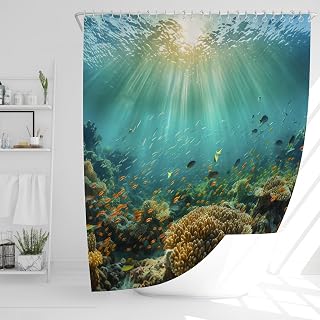
discover the art of layering textures in your home decor
In the evolving world of home decor, one of the most compelling techniques that can elevate your living space is the art of layering textures. In 2026, interior design trends continue to emphasise the importance of creating depth and interest through varied materials. Whether you are redecorating an entire room or simply looking to refresh your space, mastering the layering of textures can transform the aesthetic and feel of your home.
Understanding Texture
Before diving into the practical aspects, it's essential to understand what texture means in the context of home decor. Texture refers to the surface quality of objects—how they feel to the touch and how they look to the eye. This can range from smooth and shiny surfaces to rough and matte finishes. By mixing these different textures, you can create a visually engaging environment that invites interaction and comfort.
Start with a Base Layer
The first step in layering textures is to establish a base layer. This typically consists of larger furniture pieces such as sofas, chairs, and rugs. Choose a foundational fabric or material that will anchor your space. For instance, a soft, plush sofa in a neutral tone can provide a comforting base. Pair it with a textured area rug, perhaps in jute or a shag style, to add warmth and tactile contrast beneath your feet.
People Also Look For:
- Kielsjajd Cutlery Drawer Organiser, Small Cutlery Tray Drawer Organiser with 4 Compartments, Plastic Kitchen Insert, Practical Dra...
- Wieco Art - Modern Giclee Canvas Prints Stretched Artwork Abstract Space Black and White Pictures to Photo Paintings on Canvas Wal...
- Solar Garden Decor Lights 8 Newest Crack Mushrooms Outdoor Decor Stake Lights, Waterproof Solar Pathway Lights Gardening Gifts for...
- Hanycon 4Bundles Artificial Daffodils Flowers Fake Silk Daffodil Flower Faux Narcissus Spring Flowers for Wedding Bridal Bouquet W...
- HOJINLINERO King Size Bed Frame with Wooden Headboard,Black Metal Bed Frame King Size Base,Solid Platform Metal Slat Support and U...
Incorporate Different Materials
Once you have your base established, it’s time to incorporate a variety of materials. Consider mixing natural fibres like cotton and linen with more luxurious options like velvet or silk. Throw pillows in different fabrics, such as a velvet cushion alongside a linen one, can create an inviting and layered look. Introducing a mix of materials helps to draw the eye and can make a space feel more curated and personal.
Utilise Accessories
Accessories are a fantastic way to introduce additional textures without overwhelming your space. Think about using textured wall art, woven baskets, or ceramic vases. These items can serve as focal points while also contributing to the overall layered aesthetic. For instance, a chunky knit throw draped over the back of a chair can add coziness and visual interest, while metallic accents like a brass lamp can introduce a sleek contrast.
Play with Scale and Proportion
When layering textures, it is important to consider scale and proportion. Pair large, chunky items with smaller, delicate ones to create balance. A large, textured blanket on a small accent chair, for example, can create an inviting nook while ensuring that the space does not feel cluttered. Use varying heights with your decor items, placing taller pieces like vases on console tables alongside shorter items like books or candles, which will enhance the layered effect.
Consider Seasonal Changes
One of the joys of layering textures is that it allows for easy seasonal updates. In the cooler months, you might opt for heavier fabrics like wool and rich textiles, while lighter linens and cottons can be introduced in the warmer months. This adaptability not only keeps your decor fresh but also ensures that your home remains inviting throughout the year.
Finishing Touches
Finally, don't forget the finishing touches that can enhance your layered look. Consider adding a textured wall treatment, such as a rough plaster finish or wood paneling, to create depth. Plants also contribute to texture through their leaves and natural forms. A variety of plants in different pots can add life and a touch of nature, further enriching the layered environment you are creating.